
If you are building or renovating a home in Australia, you may have heard the term “roof sarking”. It is commonly used by roofers, builders and insulation installers, but many homeowners are unsure about what it actually does.
Roof sarking is a flexible membrane installed underneath roof cladding, such as metal sheets or roof tiles. It forms an additional layer of protection between the outside environment and the roof cavity, helping manage rainwater, wind, dust, radiant heat and condensation.
Although roof sarking is not the same as bulk insulation, it can work alongside insulation to improve the comfort, durability and energy performance of a building.
A typical roof has more than one layer. The external roof covering provides the main protection from rain and weather, while the roof sarking sits underneath it as a secondary protective layer.
Depending on the product, sarking may perform several functions:
Help prevent wind-driven rain from entering the roof space.
Collect and direct condensation towards the gutters.
Reduce draughts and the entry of dust or debris.
Reflect a portion of radiant heat away from the roof cavity.
Help protect insulation and timber components from moisture.
Provide a controlled pathway for water vapour to escape when a vapour-permeable product is used.
In this way, roof sarking acts like a second skin beneath the roof. It is not intended to replace the roof covering, but it provides an extra level of protection if moisture gets underneath the tiles or metal roofing.
Australian Standards classify pliable building membranes, including sarking and underlay, according to the control function they are designed to provide. These functions may include water control, thermal control, vapour control and air control.
No. Roof sarking and roof insulation are related, but they are not the same product.
Bulk insulation, such as glasswool, polyester or stone wool batts, works mainly by slowing the transfer of heat through the roof structure. Reflective sarking works differently. Its foil surface reflects radiant heat, particularly when it faces an air space.
This means reflective sarking can help reduce heat entering the roof cavity during hot Australian summers. However, its performance depends on correct installation and the presence of an appropriate air gap. It should not be treated as a complete substitute for bulk insulation.
A well-designed roof system may use both:
Roof sarking to manage water, wind, radiant heat and condensation.
Bulk insulation to reduce conductive heat transfer.
Adequate ventilation to help remove trapped moisture and excess heat.
The best combination depends on the roof design, climate zone, insulation layout and type of roof covering.
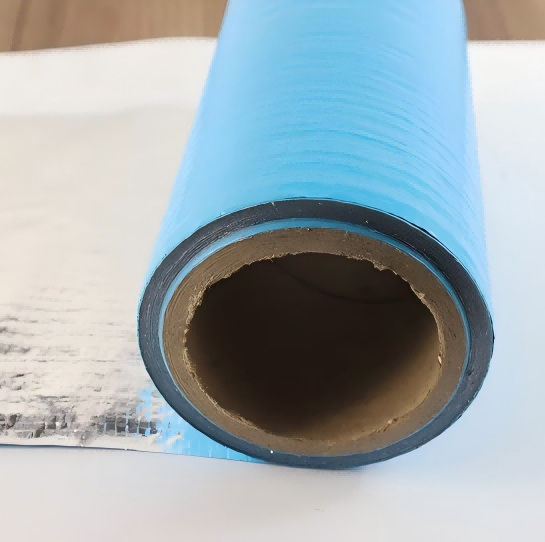
Australian homes are exposed to very different weather conditions. A property in tropical Queensland faces different roof challenges from a home in Tasmania, Victoria or the alpine areas of New South Wales.
Roof sarking can be particularly useful for the following reasons.
Heavy rain and strong winds can force water beneath roof tiles or through small gaps around roof penetrations. Sarking provides a secondary drainage layer that helps direct this moisture towards the eaves and gutters.
It is not a replacement for correctly installed roofing, flashing or gutters. However, it can reduce the risk of water reaching ceiling insulation and other moisture-sensitive materials.
Condensation is a common concern beneath metal roofs. During cool nights, the underside of metal roofing can become cold. When warm, moist air from inside the home reaches this surface, water droplets may form.
If there is no suitable membrane, condensation can drip onto insulation, ceilings or timber framing. A roof sarking membrane can collect this moisture and guide it away from the building. The ABCB’s condensation handbook notes that sarking beneath metal roofing can help collect condensate and drain it towards the guttering.
Some modern products are vapour-permeable. They are designed to help moisture vapour escape from the roof structure while still acting as a water barrier. This can be important in cooler Australian climates, where condensation risk is higher.
Reflective foil sarking can reduce the amount of radiant heat entering the roof cavity when it is installed with the correct reflective surface facing an air space.
This can help reduce heat gain during summer, especially under metal roofing. However, the result depends on the entire roof system, including the roof colour, ventilation, insulation level, air gap and local climate.
Gaps beneath roof tiles can allow dust, wind and fine debris to enter the roof cavity. Sarking helps create a more controlled roof environment and can reduce draughts that affect the performance of ceiling insulation.
In areas affected by bushfire risk, the roof design must also be assessed against the applicable Bushfire Attack Level requirements. Sarking alone does not make a roof bushfire compliant.
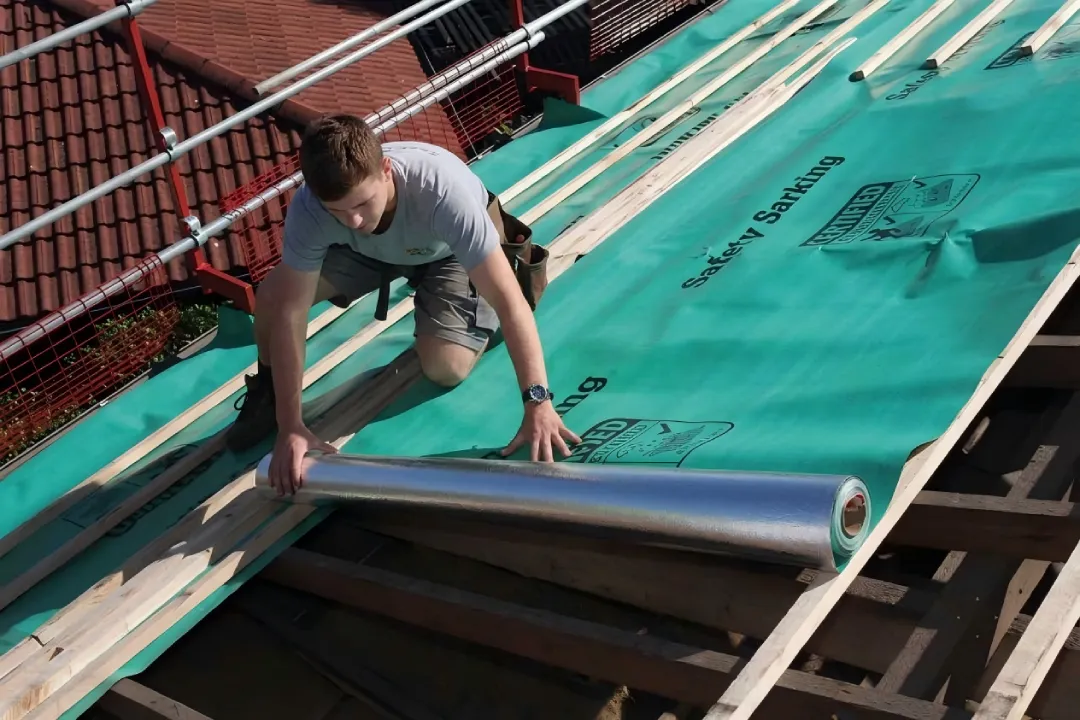
Sarking is frequently used under corrugated steel and metal sheet roofing. Metal roofing can heat up quickly in direct sunlight and cool rapidly at night, which may increase the risk of condensation beneath the sheets.
For a metal roof, the membrane may be installed over the rafters or trusses and beneath the roof battens or purlins, depending on the roof design. The exact installation method should follow the manufacturer’s instructions and the relevant Australian requirements.
A suitable metal roof sarking product may provide:
A secondary barrier against water ingress.
A surface for condensate to drain towards the eaves.
A reduction in radiant heat transfer.
Protection for insulation from occasional moisture.
Improved control of dust and wind movement.
The product must be selected carefully. A fully impermeable foil membrane may not be suitable for every roof or climate. Where moisture needs to escape from the roof structure, a vapour-permeable membrane may be a better option.
Roof sarking can also be installed beneath concrete or terracotta roof tiles. In this application, it can help protect the roof cavity from wind-driven rain, dust and debris that may enter through gaps between tiles.
It may also provide additional protection if a tile becomes cracked, displaced or damaged. However, the membrane must be installed so that water can drain safely towards the eaves rather than becoming trapped inside the roof system.
Tile roofs have different ventilation and drainage requirements from metal roofs. The choice of membrane should therefore be based on the roof design rather than simply on whether the product is labelled “reflective” or “waterproof”.
Roof sarking is more than a sheet installed beneath the roof covering. When correctly selected and installed, it can provide an important secondary barrier against wind-driven rain, dust, draughts and condensation, while reflective products may also help reduce radiant heat entering the roof cavity.
However, not every sarking membrane is suitable for every Australian roof. The right choice depends on the roof covering, local climate, ventilation, insulation arrangement and the requirements of the building project. A reflective foil membrane may be suitable for one application, while a vapour-permeable membrane may be more appropriate for another.
For new homes and renovation projects, roof sarking should be considered as part of the complete roofing and insulation system. Always follow the manufacturer’s installation instructions and seek advice from a qualified builder or roofing professional to ensure the membrane is compatible with the roof design and relevant Australian requirements.
