Compare EPE foil insulation and glasswool for roofing, industrial buildings, cold chain packaging and HVAC applications. Understand their differences and choose the right insulation material.
EPE Foil Insulation and Glasswool are commonly considered in building and industrial insulation projects. Although both materials are used for thermal insulation, they have different structures, working principles and application requirements. When evaluated in the context of an actual project, their performance and suitability can vary considerably.
For example, a steel structure factory may need to control radiant heat from the roof during summer, while cold chain transportation requires effective insulation to reduce heat exchange between goods and the surrounding environment. Residential roofing projects, on the other hand, may place greater emphasis on winter heat retention and indoor comfort. These different requirements mean that material selection should not be based on thickness or price alone.
The main difference between EPE Foil Insulation and Glasswool lies in how they control heat transfer.
EPE (Expanded Polyethylene) is a closed-cell polyethylene foam containing numerous independent air cells that help slow down heat transfer. When laminated with aluminium foil or metallized film, its low-emissivity reflective surface also helps reduce radiant heat exchange. As a result, EPE Foil Insulation combines several practical characteristics, including lightweight construction, flexibility, moisture resistance and reflective insulation performance.
Glasswool works differently. It relies on the air spaces formed between fine glass fibres to reduce heat transfer. This fibre structure restricts air movement, providing good thermal insulation and sound absorption. For building applications requiring insulation within walls, roofs or ceiling cavities, glasswool is a well-established material choice.
Different Applications Require Different Insulation Materials
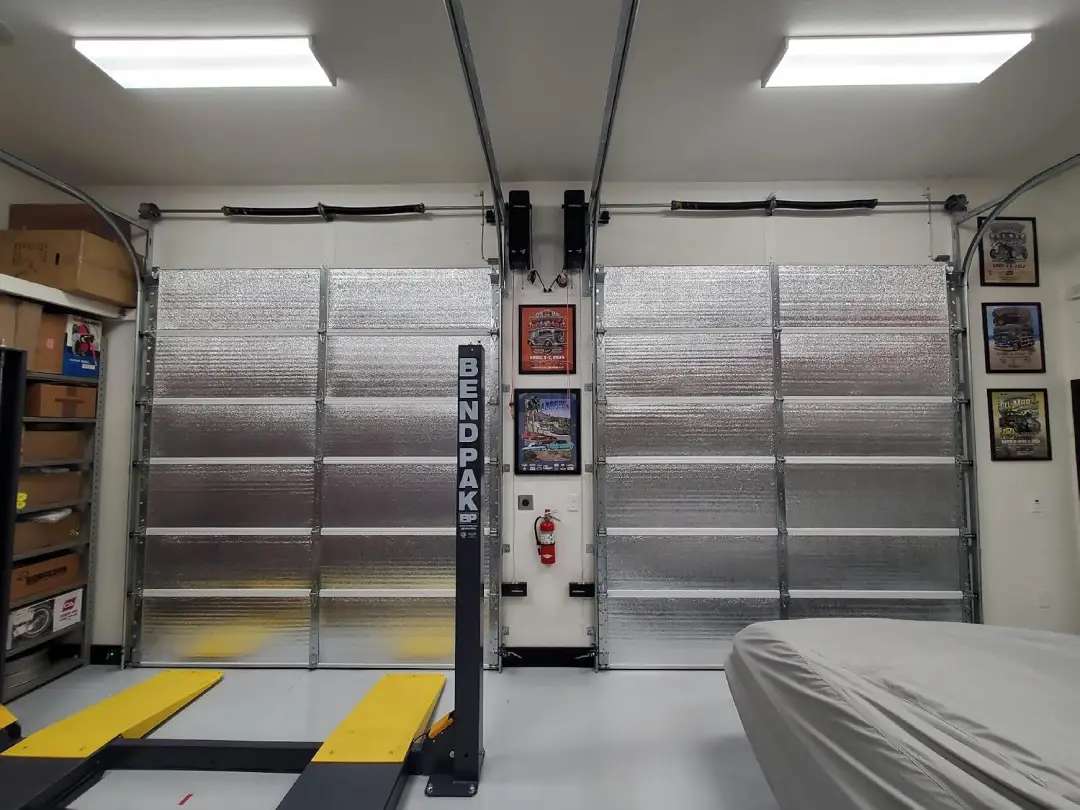
In steel structure factories and metal roofing projects, solar radiation can significantly increase roof surface temperatures, allowing heat to transfer into the building. If a project requires lightweight roll insulation while helping to reduce radiant heat, aluminium foil laminated EPE is a practical option. The material can be cut and installed according to the roof structure, making it relatively convenient for large-area applications.
If the factory requires higher overall thermal resistance or improved indoor noise control, Glasswool is generally more suitable as the primary insulation layer. In some projects, the two materials can also be used together, depending on the roof construction. However, proper consideration must be given to air gaps, moisture control and the positioning of each material layer.
It is important to understand that reflective insulation needs an effective adjacent air space to perform as intended. An aluminium foil surface alone does not mean the material can completely replace thicker conventional insulation products.
Cold chain logistics is another area where EPE Foil Insulation offers practical advantages.
Products such as insulated pallet covers, cold chain packaging and insulated container liners require materials that can be easily cut, folded, wrapped and handled repeatedly. EPE foam is lightweight and provides a degree of cushioning. When laminated with aluminium foil or metallized film, it can also help reduce external radiant heat exchange. Compared with EPE, Glasswool is generally more suitable for fixed insulation structures and is less practical for flexible packaging products that require frequent handling and installation.
In HVAC ductwork and equipment insulation projects, both materials have their own applications. Foil-faced Glasswool is commonly used in duct systems where both thermal insulation and sound absorption are required. EPE can also be used in certain auxiliary insulation applications, provided that its operating temperature range, fire performance and system requirements meet the project specifications. For chilled air ducts, vapour control and condensation prevention must also be considered.
Why Thickness and Price Are Not Enough When Comparing Materials
In actual purchasing decisions, buyers sometimes compare EPE and Glasswool at the same thickness to determine which material provides better insulation. However, this approach does not give an accurate picture of their thermal performance.
Insulation performance needs to be evaluated by considering thermal conductivity, material thickness and thermal resistance (R-value). For reflective insulation, the presence of an effective air space must also be taken into account. Different product structures and testing conditions can produce different results, so performance should not be judged simply by the material name or surface appearance.
Fire performance is another important consideration. EPE is an organic foam material, and its flame-retardant properties depend on the specific formulation and test results. Glasswool has good inherent fire-resistance characteristics, but binders and facing materials can also affect the fire performance of the finished product. For industrial factories and commercial buildings, buyers should check the complete product test reports and applicable local building regulations.
Purchasing teams should also pay attention to the actual operating temperature range, facing structure, moisture resistance, dimensions and installation requirements. This is particularly important for export projects, as fire classifications and building material testing standards may vary between destination markets.
Choosing the Right Material Matters More Than Comparing Individual Performance Figures
There is no absolute winner between EPE Foil Insulation and Glasswool. Each material has its own advantages and is better suited to particular project requirements.
For projects requiring lightweight construction, flexibility, reflective heat control and convenient fabrication, EPE Foil Insulation is generally worth considering. It is particularly suitable for applications such as cold chain packaging, metal roofing and selected industrial insulation systems.
Where higher primary thermal resistance, sound absorption and insulation within fixed building structures are the main priorities, Glasswool is generally a more suitable choice.
For material buyers and construction contractors, the key is not to find one insulation material that works in every situation. Instead, the selection process should start with a clear understanding of the problems the project needs to solve, followed by an evaluation of the material structure and technical specifications.
This is why, in some engineering applications, EPE Foil Insulation and Glasswool can complement each other rather than simply serve as alternatives.

