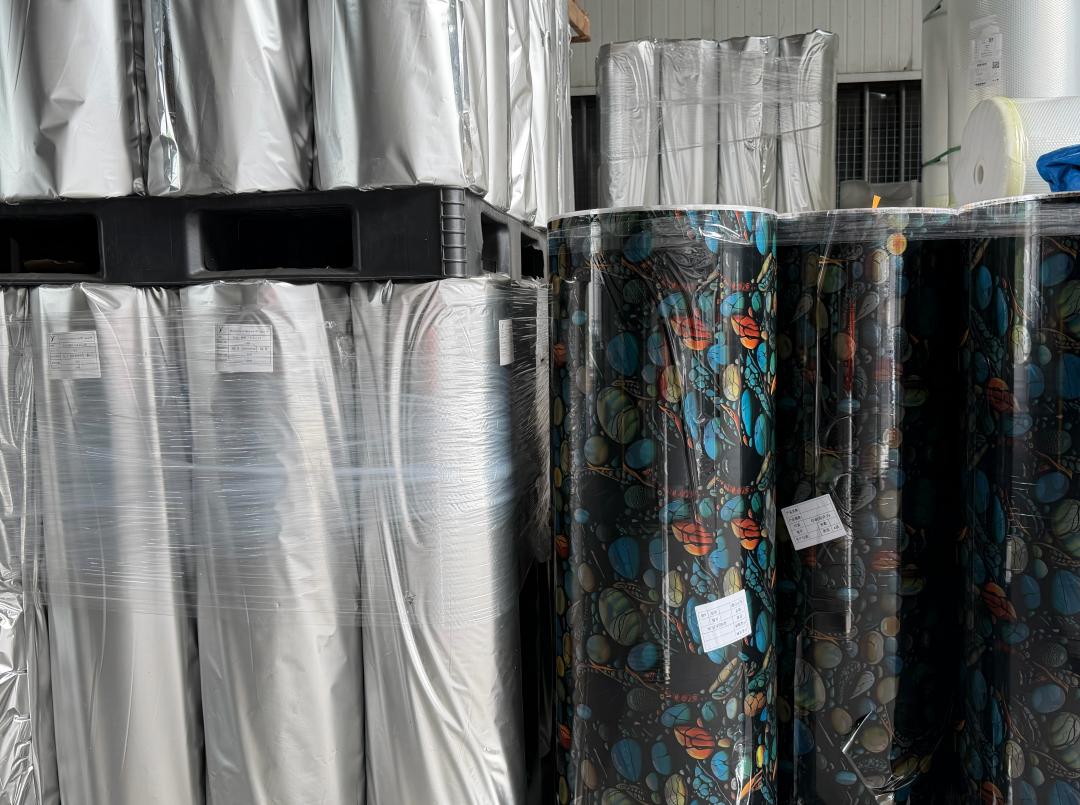
Laminated Film is a multi-layer composite material that combines the advantages of different films and foil substrates to deliver superior barrier protection, durability, heat-sealing performance, and printability. It is widely used in packaging, insulation, and industrial applications.
Laminated Film refers to a multi-layer film structure made by bonding different plastic films or foil materials together using lamination processes such as dry lamination, solventless lamination, or extrusion lamination.
Each layer serves a specific function, for example:
Barrier protection (oxygen, moisture, light)
Mechanical strength enhancement
Heat sealing capability
Printing and surface performance
In simple terms, laminated film is a functional composite structure designed to combine multiple material advantages into one film system.
Laminated Film Structure Explained
A typical laminated film structure consists of three functional layers:
1. Outer Layer (Printing & Protection Layer)
Common materials: PET, BOPP
Functions:
High-quality printing surface
Scratch resistance
UV protection
Improved appearance for branding
2. Middle Layer (Barrier Layer)
Common materials: Aluminum foil, Metallized PET (MPET), EVOH
Functions:
Oxygen barrier
Moisture barrier
Light shielding
Extends shelf life of products
3. Inner Layer (Heat Sealing Layer)
Common materials: PE, CPP
Functions:
Heat sealability
Direct contact with products
Flexibility and durability
This multi-layer laminated structure allows manufacturers to achieve customized performance based on application requirements.
Types of Laminated Film Processes
Different lamination technologies are used depending on performance, cost, and environmental requirements.
1. Dry Lamination
Uses adhesive to bond layers together.
Features:
Strong bonding strength
Wide material compatibility
Stable performance
2. Solventless Lamination
An eco-friendly lamination method without solvent emissions.
Features:
Low VOC emissions
Food packaging compliant
Increasingly popular in sustainable packaging
3. Extrusion Lamination
Uses molten resin as the bonding layer.
Features:
High production efficiency
Excellent adhesion strength
Suitable for industrial and heavy-duty applications
Key Advantages of Laminated Film
Laminated Film offers significant advantages compared to single-layer plastic films:
1. High Barrier Performance
Provides excellent protection against oxygen, moisture, and light, making it ideal for high barrier packaging film applications.
2. Customized Material Design
Different material combinations allow tailored performance for specific industries.
3. Extended Shelf Life
Commonly used in food and pharmaceutical packaging to maintain product freshness and stability.
4. Strong Mechanical Properties
Improved puncture resistance, tear resistance, and durability during transportation.
5. Enhanced Printing & Branding
Supports high-resolution printing for premium packaging appearance.
Laminated Film Applications
Due to its versatility, Laminated Film is widely used across multiple industries:
Food packaging (snacks, coffee, frozen food, dairy products)
Pharmaceutical packaging (blister packs, sterile packaging)
Industrial packaging (moisture-proof and anti-static packaging)
Electronics packaging
Thermal insulation materials (foil laminated insulation films)
Chemical and agricultural packaging
Especially in high barrier flexible packaging, laminated films are considered a standard solution.
Why Laminated Film Is Increasingly Important?
The global packaging industry is shifting toward:
Lightweight packaging solutions
High-performance barrier materials
Sustainable and eco-friendly materials
Laminated Film meets all three requirements by:
Reducing material thickness while improving performance
Replacing traditional rigid packaging structures
Supporting recyclable and solvent-free solutions
As a result, demand for high barrier laminated film and functional composite film materials continues to grow globally.
Laminated Film is not just a simple combination of plastic layers—it is a engineered material system designed for performance optimization.
By combining different materials such as PET, PE, aluminum foil, and metallized films, laminated structures deliver superior barrier performance, durability, and packaging efficiency.
As industries continue to demand better protection and sustainability, Laminated Film will remain a core material in modern packaging and insulation applications.

