
Traditional single-layer plastic films were once widely used across packaging and insulation industries. However, their limitations in barrier performance and mechanical strength have become more obvious as application requirements increase.
Multi-layer laminated films solve these limitations by combining different functional materials into one structure. Each layer plays a specific role—such as sealing, reflecting heat, blocking moisture, or providing strength.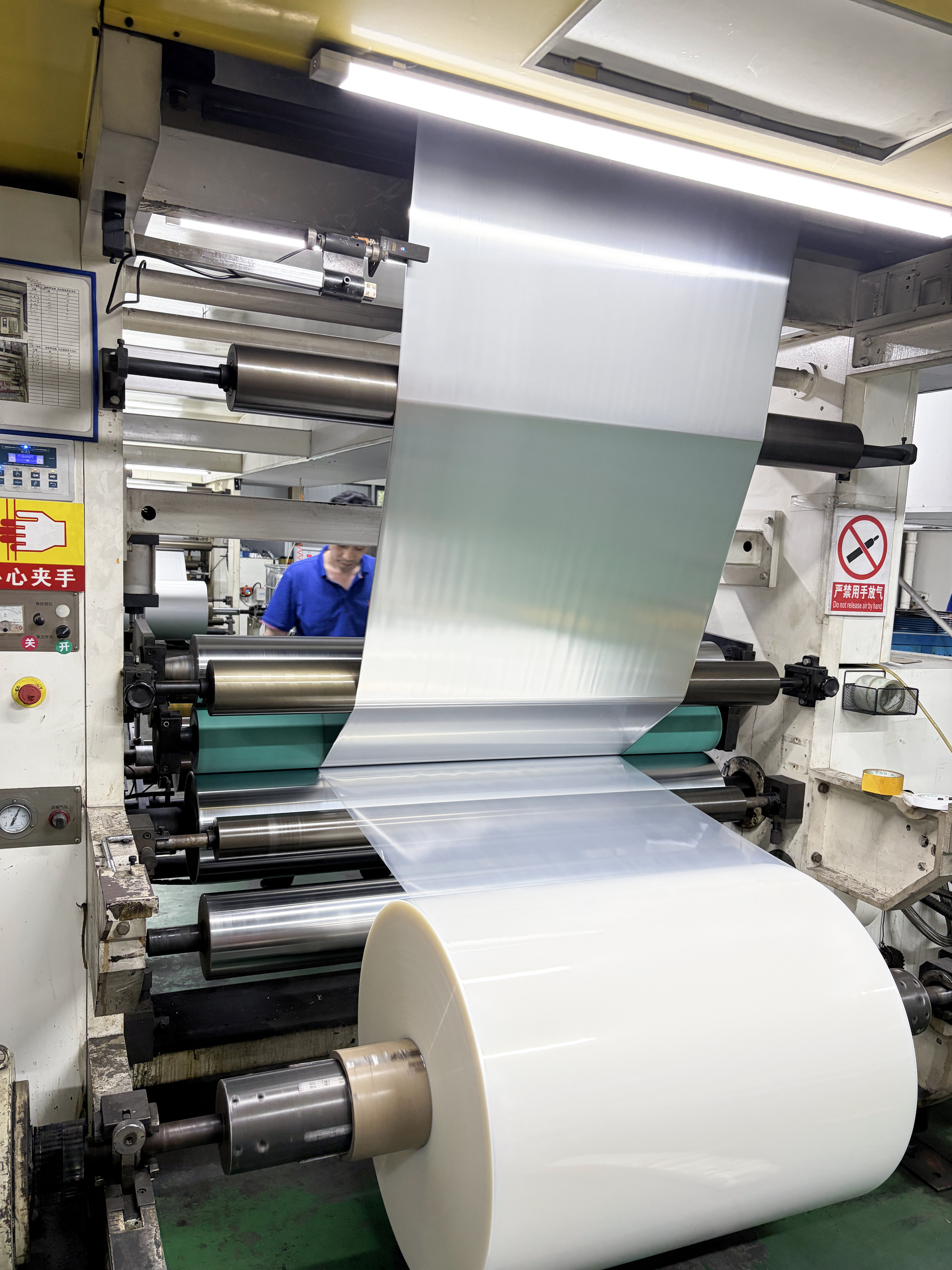
For example, aluminum foil layers provide excellent thermal reflection, while polymer layers such as PE or PET ensure flexibility and sealing performance. When bonded together, the result is a material that performs far beyond what a single polymer film can achieve.
In building insulation, this structure helps reduce energy loss and improves indoor temperature stability. In packaging, it helps protect sensitive goods from environmental changes during storage and transportation.
Another key reason for adoption is processing adaptability. Laminated films can be designed for lamination, printing, and converting processes without losing structural integrity.
With growing demand in construction, logistics, and industrial packaging, multi-layer laminated films are steadily becoming the preferred material choice worldwide.
