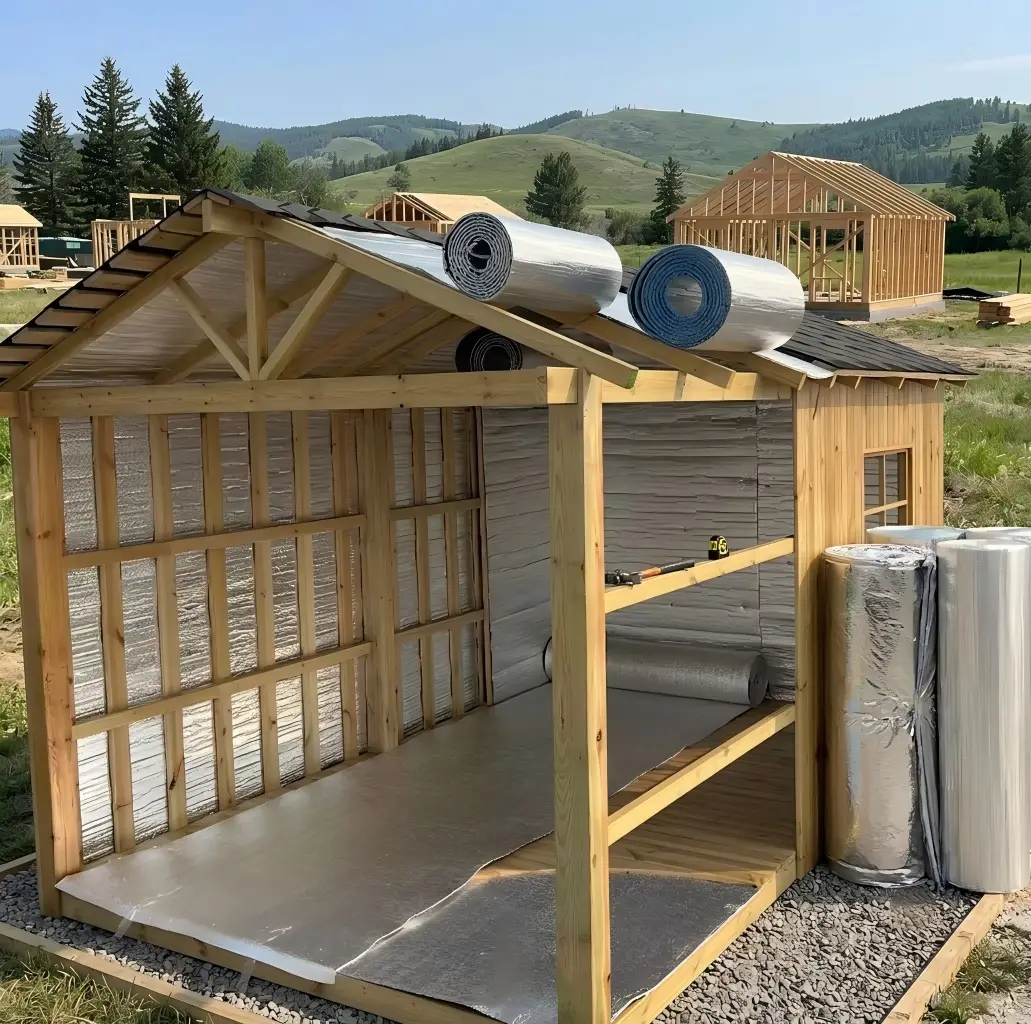
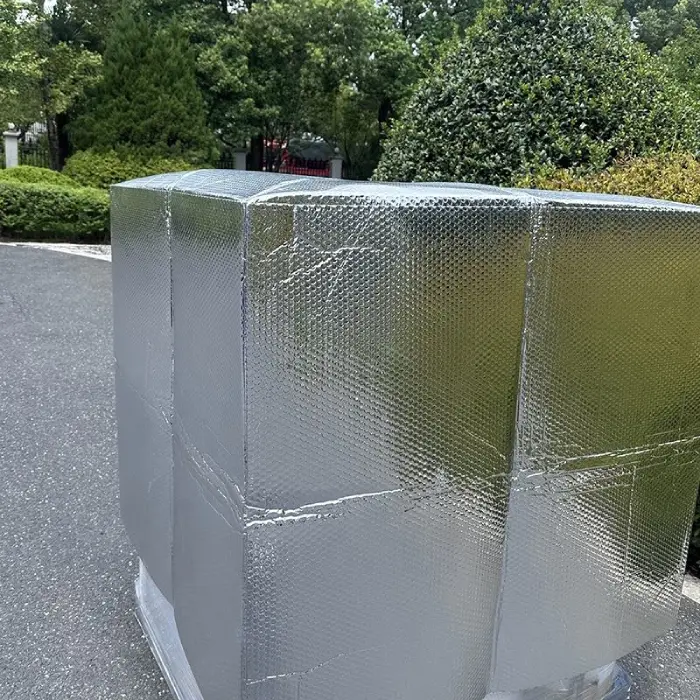
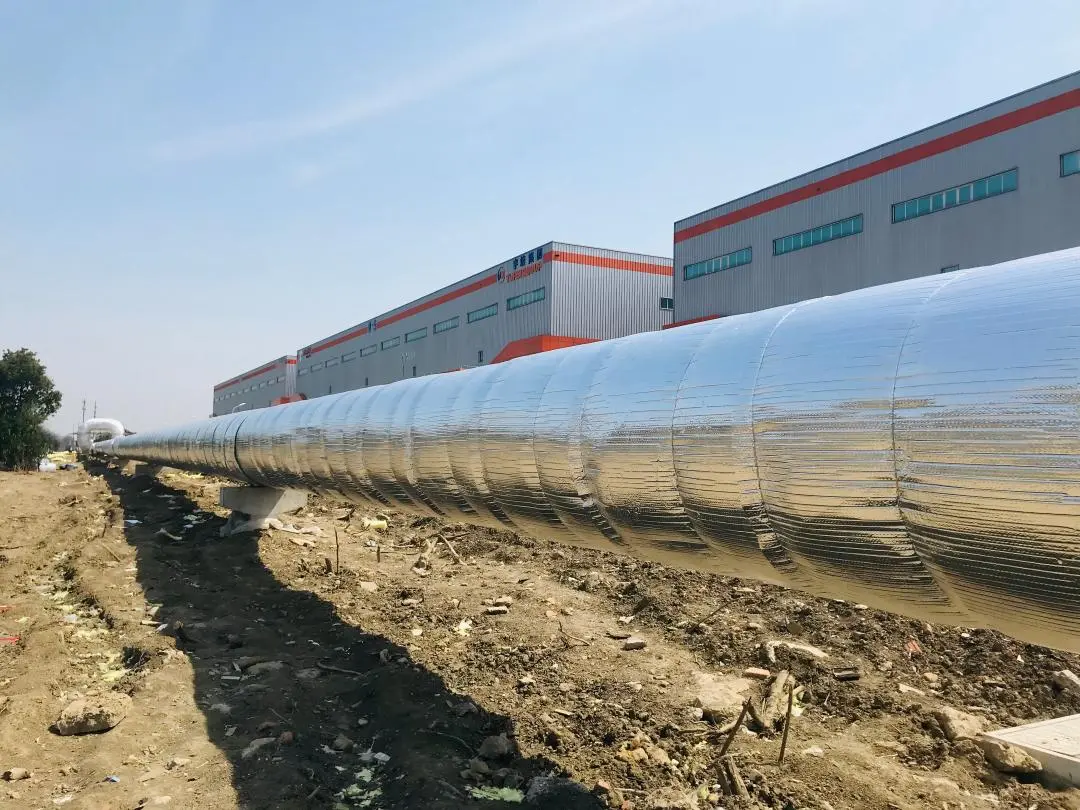
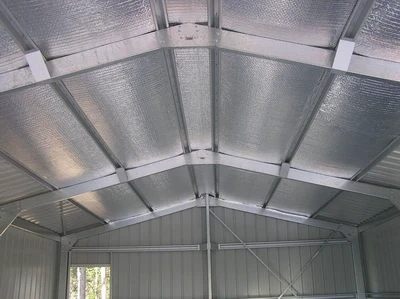
During hot seasons, up to 75% or more of the heat entering a building through the roof and walls is transferred via radiant heat (infrared radiation).
High Reflectivity (≥ 97%): The outer aluminum foil acts like a mirror, reflecting the vast majority of solar radiation away before it can penetrate the building structure.
Low Emissivity (≤ 0.03): Even if the outer layers absorb a tiny fraction of heat, the inner aluminum foil has an incredibly low emissivity rate. This means it refuses to reradiate (emit) that heat into the building interior.
Reflection alone isn't enough; a small amount of heat will always get past the first layer of foil. This is where the middle EPE foam layer takes over.
Closed-Cell Structure (Stopping Conduction): EPE is a highly expanded polyethylene material filled with countless tiny, individual, closed air cells. Still air has an exceptionally low thermal conductivity. These sealed bubbles trap the air, making it incredibly difficult for heat to pass through via solid matter.
Trapped Micro-Spaces (Stopping Convection): Because each tiny bubble is completely sealed off from the next, air cannot circulate freely. This locks the air in place and effectively cuts off heat transfer via air convection.
| Item | Standard Specification |
|---|---|
| Customization | Available |
| Standard Thickness | 3 mm, 5 mm, 10 mm |
| Standard Roll Sizes | 1.2 m × 20 m / Roll 1.2 m × 40 m / Roll 4' × 125' / Roll |
| Reflectivity | 95% – 97% |
| Emissivity | 0.03 – 0.05 |
| Density | Customized |
| Corrosiveness | Pass (ASTM D3310-00) |
| Tensile Strength | Available Upon Request |