Learn what reflective bubble insulation is, how it works, and where it is used. This guide helps roofing contractors, building-material importers, and distributors evaluate suitable structures for metal roofs, walls, agricultural buildings, warehouses, and industrial projects.
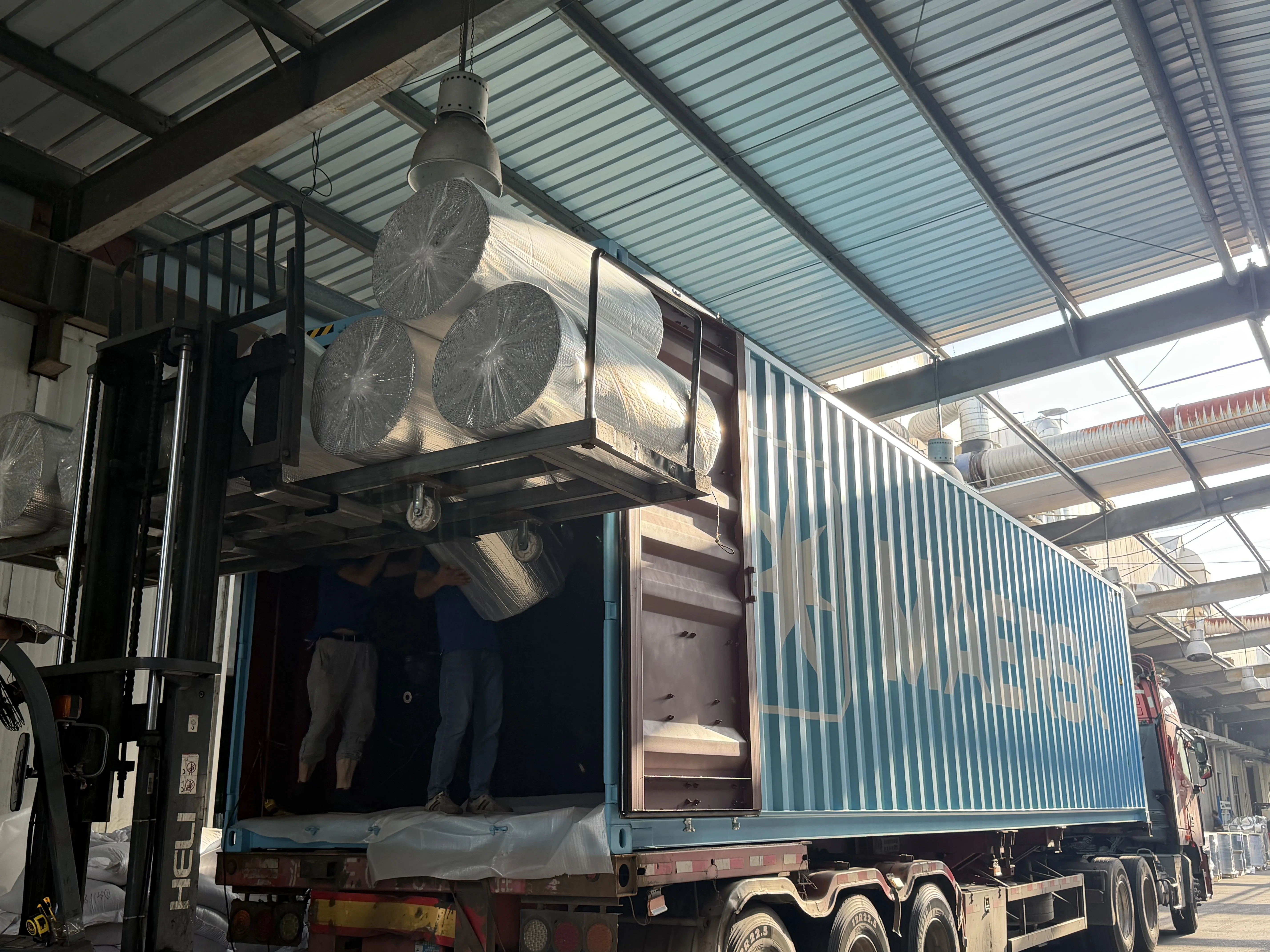
Reflective bubble insulation is a lightweight multilayer insulation material that combines one or two reflective facings with a sealed polyethylene bubble core. It is widely supplied in roll form for roofing, walls, sheds, warehouses, HVAC-related applications, agricultural buildings, and selected industrial or protective-packaging uses.
For B2B buyers, it is important to understand that reflective bubble insulation is not simply “foil with bubbles.” Its performance depends on the complete construction: reflective facing type, bubble-core geometry, lamination quality, reinforcement, installation method, air-space design, vapor-control requirements, and the applicable building-code or fire-test requirements in the destination market. Pengyuan New Material manufactures reflective insulation and laminated-material structures, including bubble insulation, PE-coated films, foil laminates, metallized films, woven reinforced materials, and customized composite solutions.
Basic Structure
A typical reflective bubble insulation roll consists of the following functional layers:
| Layer |
Main Function |
Common Material Options |
| Reflective facing |
Reduces radiant heat transfer when facing an adjacent air space |
Aluminum foil, PE-coated aluminum foil, metallized PET film |
| Bubble core |
Creates enclosed air cells and adds limited resistance to conductive heat transfer |
Polyethylene bubble film |
| Bonding or coating layer |
Joins layers and can improve moisture resistance or processing stability |
PE extrusion coating, adhesive lamination |
| Reinforcement layer, optional |
Improves tensile strength, tear resistance, and handling durability |
PP/PE woven fabric, scrim, fiberglass cloth |
| Reverse facing, optional |
Provides two-sided reflectivity or added protection |
Aluminum foil, metallized film, PE film, woven laminate |
The most common formats are single-bubble and double-bubble constructions. A single-bubble product normally uses one bubble-core layer between reflective facings. A double-bubble product uses two bubble layers, often separated by a central reflective or polymer layer. The appropriate structure depends on the required thickness, handling strength, installation method, moisture-control needs, and target application.
Reflective facings may be made from aluminum foil or metallized polyester film. Aluminum foil generally offers a highly reflective surface and can provide strong vapor-barrier behavior when the foil layer remains continuous and undamaged. Metallized PET is often selected where flexibility, surface stability, conversion efficiency, or material cost is a priority. The final product specification should identify the exact facing material rather than using “foil” as a generic description.
How It Works
Heat moves through building assemblies in three primary ways: conduction, convection, and radiation. Reflective bubble insulation is designed mainly to address radiant heat transfer, while the enclosed bubble structure provides an additional but comparatively limited resistance to conductive heat flow.
Radiant heat control
A reflective surface can reduce radiant heat exchange when it faces a properly designed air space. For example, when installed beneath a metal roof with an adjacent air cavity, the reflective facing can help reduce the amount of radiant energy transferred from a hot roof surface toward the interior side of the building.
This principle is especially relevant in roof systems exposed to strong solar radiation, metal sheds, agricultural structures, warehouses, workshops, and some wall or ceiling applications.
However, the reflective surface must remain exposed to an air gap to perform its radiant-barrier function effectively. If the reflective facing is tightly sandwiched between solid materials, covered with dust, or placed in direct contact with another layer, its ability to reflect radiant heat is reduced. Therefore, installation design matters as much as the roll material itself.
Bubble-core contribution
The bubble core contains sealed air cells. Air is a relatively poor heat conductor compared with solid materials, so the bubble layer can contribute to the product’s overall thermal resistance. The bubbles also make the material lightweight, flexible, easy to transport, and convenient to cut and install.
Nevertheless, reflective bubble insulation should not automatically be considered a substitute for thick bulk insulation such as mineral wool, fiberglass, cellulose, PIR/PUR foam, or high-density XPE foam. Those materials are primarily designed to provide higher resistance to conductive heat flow through material thickness. Reflective bubble insulation is typically selected when radiant control, moisture resistance, roll-form installation, light weight, and mechanical protection are important project considerations.
Moisture and vapor control
Depending on the facing and seam design, reflective bubble insulation may also function as a moisture-resistant layer or vapor-control layer. Aluminum foil facings and certain PE-laminated structures can reduce water-vapor transmission, but actual vapor performance depends on the complete laminate, perforation status, punctures, overlaps, tape selection, penetrations, and installation quality.
For roof and wall assemblies, buyers should evaluate whether the project requires:
- A vapor barrier with very low water-vapor transmission
- A vapor retarder with controlled permeability
- A breathable membrane that allows vapor to escape
- A secondary roof underlay or weather-resistive barrier
These functions are not interchangeable. A reflective bubble insulation product should be specified according to the building-system design and local climate conditions, especially where condensation risk is high.
Common Applications
Reflective bubble insulation is commonly used where a thin, lightweight material is needed to support thermal management and moisture protection.
Typical applications include:
- Metal roof and wall systems
- Warehouses, workshops, factories, and storage buildings
- Sheds, garages, portable buildings, and container structures
- Agricultural buildings, poultry houses, and livestock shelters
- Ceiling and attic applications with maintained air spaces
- HVAC duct wrapping or equipment protection, subject to applicable temperature and fire requirements
- Cold-chain or temperature-sensitive protective packaging
- Temporary thermal barriers and industrial insulation covers
In roofing applications, the material may be installed beneath metal roofing sheets, between purlins and roof cladding, or as part of a multilayer roof insulation system. In these cases, the buyer should verify whether reinforcement is required for installation strength and whether the membrane must also meet specific water-resistance, fire, aging, or vapor-control requirements.
For projects, the final application should be confirmed before selecting a structure. A product suitable for a light-duty shed may not be appropriate for a commercial roof system requiring reinforced edges, higher tear resistance, certified fire performance, controlled vapor permeability, or long-term UV exposure resistance.
Key Specification Factors
Professional procurement should be based on a technical data sheet rather than product appearance alone. Important specification points include:
- Total thickness and bubble diameter
- Single-bubble or double-bubble construction
- Reflective facing material: aluminum foil, PE-coated aluminum foil, or metallized PET
- One-side or two-side reflective surface
- PE coating weight or lamination method
- Reinforcement type: no reinforcement, scrim, woven fabric, or fiberglass
- Roll width, length, core diameter, and packaging method
- Tensile strength, elongation, tear resistance, and puncture resistance
- Water-vapor transmission performance, where required
- Surface emissivity or reflectivity test method, where required
- Fire-test classification required by the destination market
- Temperature exposure range and intended service environment
- Printing, branding, grid marks, perforation, or customized packaging
- Minimum order quantity, sample approval, lead time, and loading quantity
Buyers should also request clarification on the test method and standard used for each performance value. For example, reflectivity, emissivity, vapor transmission, tensile strength, and fire performance can vary depending on the test standard, sample orientation, conditioning, and product construction. A technically credible supplier should be able to provide the relevant test report, specification range, and production-control information for the proposed structure.
Choosing the Right Construction
The best reflective bubble insulation is not necessarily the thickest or most highly marketed product. It is the structure that fits the project’s thermal design, mechanical demands, climate conditions, installation method, and compliance requirements.
For cost-sensitive applications, a metallized-film bubble structure may provide a practical solution where lightweight handling and radiant control are the main objectives. For projects requiring stronger moisture resistance or a more robust reflective facing, aluminum-foil-based laminates may be more suitable. For roof applications with higher handling stress, reinforced constructions using woven fabric or scrim can improve tear resistance and installation durability.
For projects where conductive insulation value is the main requirement, buyers may need to combine reflective bubble insulation with bulk insulation, such as XPE foam, fiberglass. This combination can help address both radiant heat transfer and conductive heat flow within the complete building envelope.
Reflective bubble insulation is a multifunctional laminated material that combines a reflective surface with a sealed bubble air-cell core. Its primary value lies in reducing radiant heat transfer when installed with an appropriate adjacent air space, while also providing a lightweight, flexible, and potentially moisture-resistant layer.
For B2B buyers, the key is to evaluate the complete system rather than relying on generic claims. Confirm the facing material, bubble structure, reinforcement, vapor-control requirement, installation detail, applicable standards, and test data before purchasing. A properly specified reflective bubble insulation roll can be an effective component in roofing, wall, agricultural, industrial, and packaging applications—but its performance must be matched to the actual assembly and local project requirements.

