


Roof sarking is a flexible membrane installed between the roof structure and the outer roof covering, such as tiles or metal sheets. In Australia, people also call it roof underlay, sarking membrane, or roof wrap, and it’s used in both roofing and wall systems.
Installed under the roof covering, it adds an extra layer of protection to the building envelope. It helps reduce moisture issues, limit wind-driven air and water entry, manage condensation, and reflect radiant heat for better thermal performance.
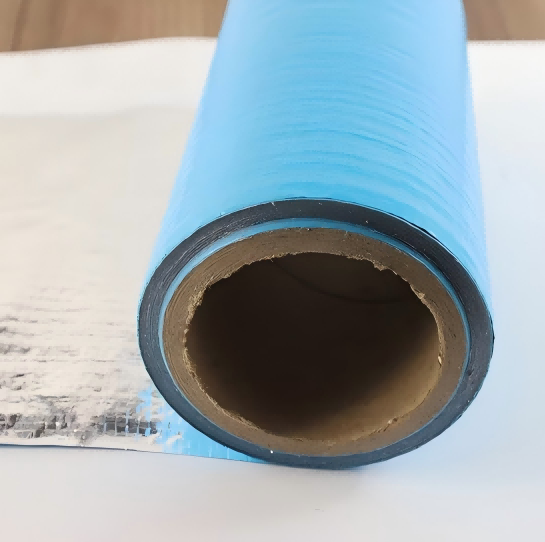
| Item | Standard Specification |
| Customization | Available |
| Material Structure | Aluminum Foil / woven fabric |
| Standard roll sizes | 1350 mm × 30 m 1350 mm × 60 m 1500 mm × 30 m 1500 mm × 60 m (Customizable) |
| Thickness | 0.2 mm |
| Reflective Performance | 97% |
| Emissivity | ≤ 0.03 |
| Water Vapor Transmission Rate (WVTR) | ≤ 0.15g/(m2·24h) |
| Tensile Strength | Machine Direction (MD): 139 MPa Transverse Direction (TD): 85 MPa |
| Colors | Customizable |
| Flame Resistance | AWTA AS/NZS 1530.2 Low Flammability |
| Key Functions | Heat Reflection, Thermal Insulation, Flame Retardant Performance |
Fire-retardant sarking helps slow flame spread in the roof cavity and reduces the material’s role in combustion.
It acts as a secondary barrier, helping manage minor water ingress and protect insulation and structural layers.
The aluminum foil surface reflects solar radiation and helps reduce heat buildup in the roof cavity when used with an air gap.
With the right product selection and ventilation design, roof sarking can help control condensation and reduce moisture-related damage.
It helps block dust, pests, and unwanted airflow from entering the roof cavity, which supports insulation performance and indoor comfort.
A reinforced composite structure improves durability during handling and installation.
Supplied in rolls, it is easy to handle, cut, and install across different roof profiles.
Suitable for tile roofs, metal roofs, and general building envelope applications.
When properly installed and used under suitable exposure conditions, it offers long service life with low maintenance needs.
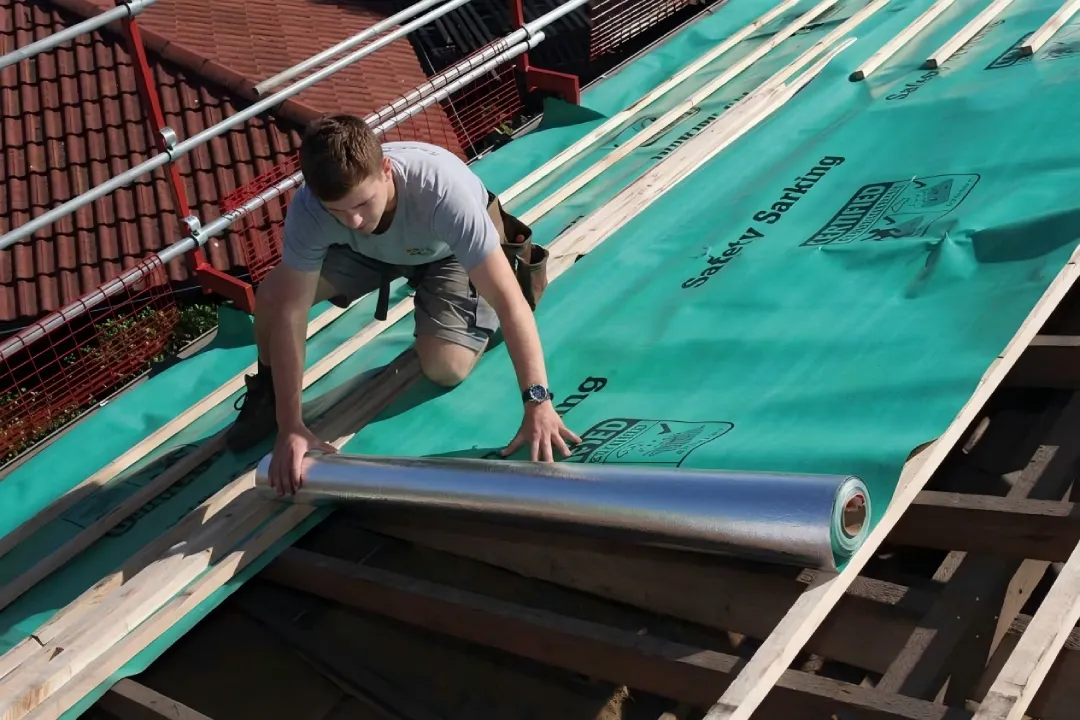
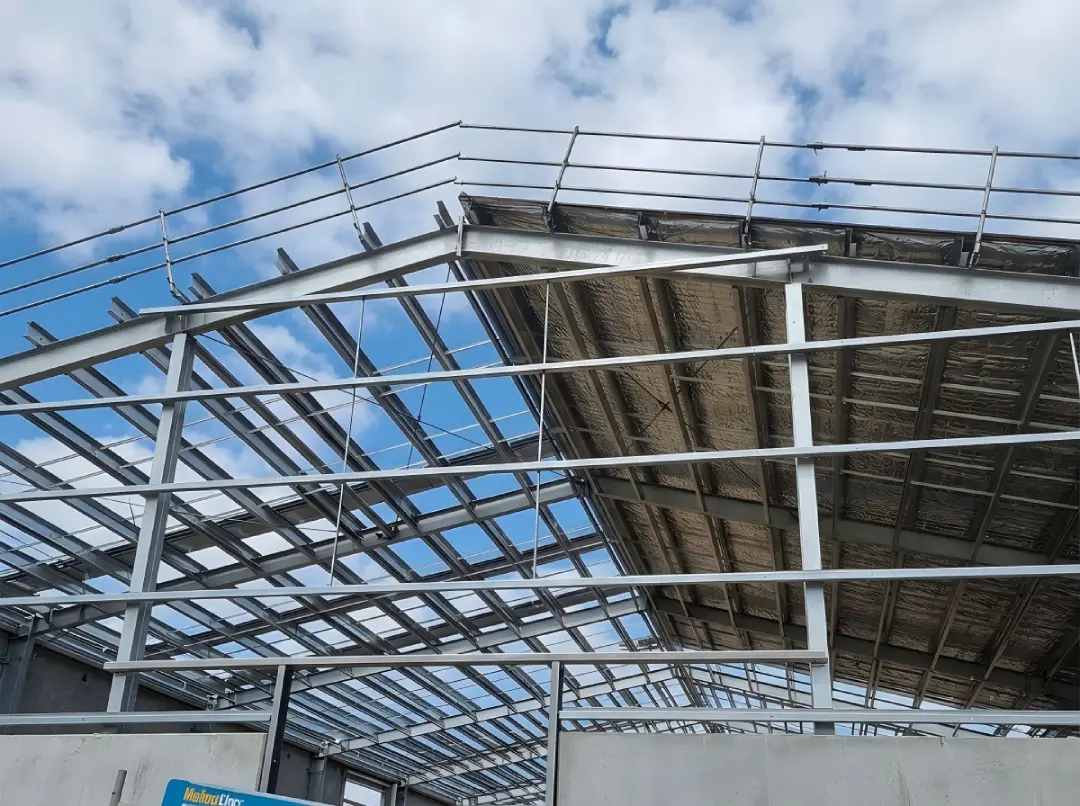
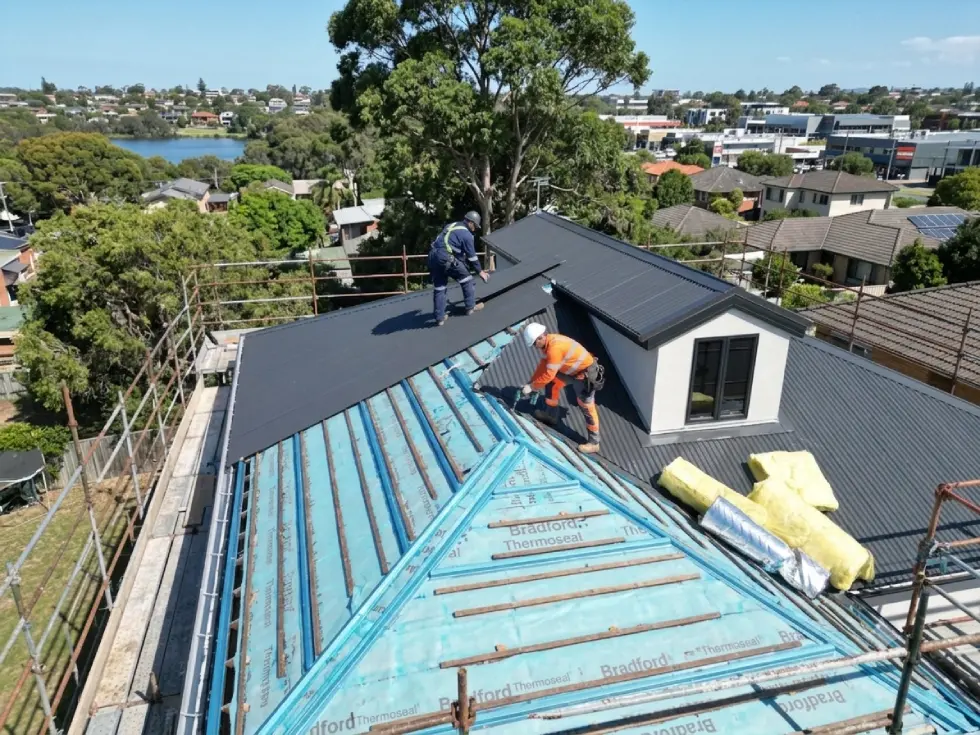
Install roof sarking over the roof framing before fixing tiles or metal roof sheets.
Lay the membrane horizontally across rafters or trusses with sufficient overlap between sheets.
If reflective performance is needed, leave enough air gap for it to work effectively.
Fix the membrane with suitable fasteners in line with local building requirements.
Ensure joints, penetrations, and roof edges are properly sealed where required.
Do not pull the membrane too tight during installation, as this may cause tearing or damage.
Roof sarking works best when it is used together with the right ventilation design and insulation system. Good installation is just as important, especially when you want reliable moisture control, thermal performance, and long-term durability.

Experienced manufacturer of aluminum composite and building membrane materials.
Production capacity for both standard orders and large-scale projects.
Custom specifications available for different climate conditions and project needs.
Quality control carried out throughout production to keep performance consistent.
Reflective, breathable, and fire-retardant options available.
Suitable for residential, commercial, industrial, and renovation projects.
Roof sarking is a protective membrane installed beneath roof coverings, while insulation mainly reduces heat transfer. They are often used together to improve overall building performance.
Yes. Roof sarking is commonly installed under metal roofing systems to help control condensation, reduce radiant heat, and provide additional weather protection.
Reflective roof sarking can reduce radiant heat gain when installed with a suitable air gap, helping improve thermal comfort and energy efficiency.
Roof sarking provides a secondary moisture barrier that helps manage water ingress caused by wind-driven rain or minor roof leaks.
Yes. Customized widths, structures, coatings, and performance options can be developed according to project requirements.


